7. Juli 2026
How formulation design, ingredient form, dosage, and delivery systems influence whether nutrients actually reach the body

The effectiveness of a supplement is often judged by the amount of active ingredient listed on the label. A product may contain a high dose of a vitamin, mineral, botanical extract, or bioactive compound, but this does not automatically mean that the body can absorb and use it efficiently. In supplement development, the relevant question is not only how much of a substance is present, but how much becomes biologically available after intake.
Bioavailability describes the fraction of a nutrient or active compound that is absorbed, utilized, stored, or retained by the body. It is influenced by the chemical form of the ingredient, the formulation matrix, digestion, interactions with other nutrients, and individual physiological factors such as age, nutritional status, metabolism, and health condition.
This makes ingredient form a critical development decision. Minerals, for example, may be supplied as different salts or complexes, while vitamins may appear in water-soluble, fat-soluble, encapsulated, or stabilized forms. These forms can differ in solubility, stability, tolerance, and absorption behavior. A higher dose is therefore not always superior if the selected form is poorly absorbed or unstable in the final product.
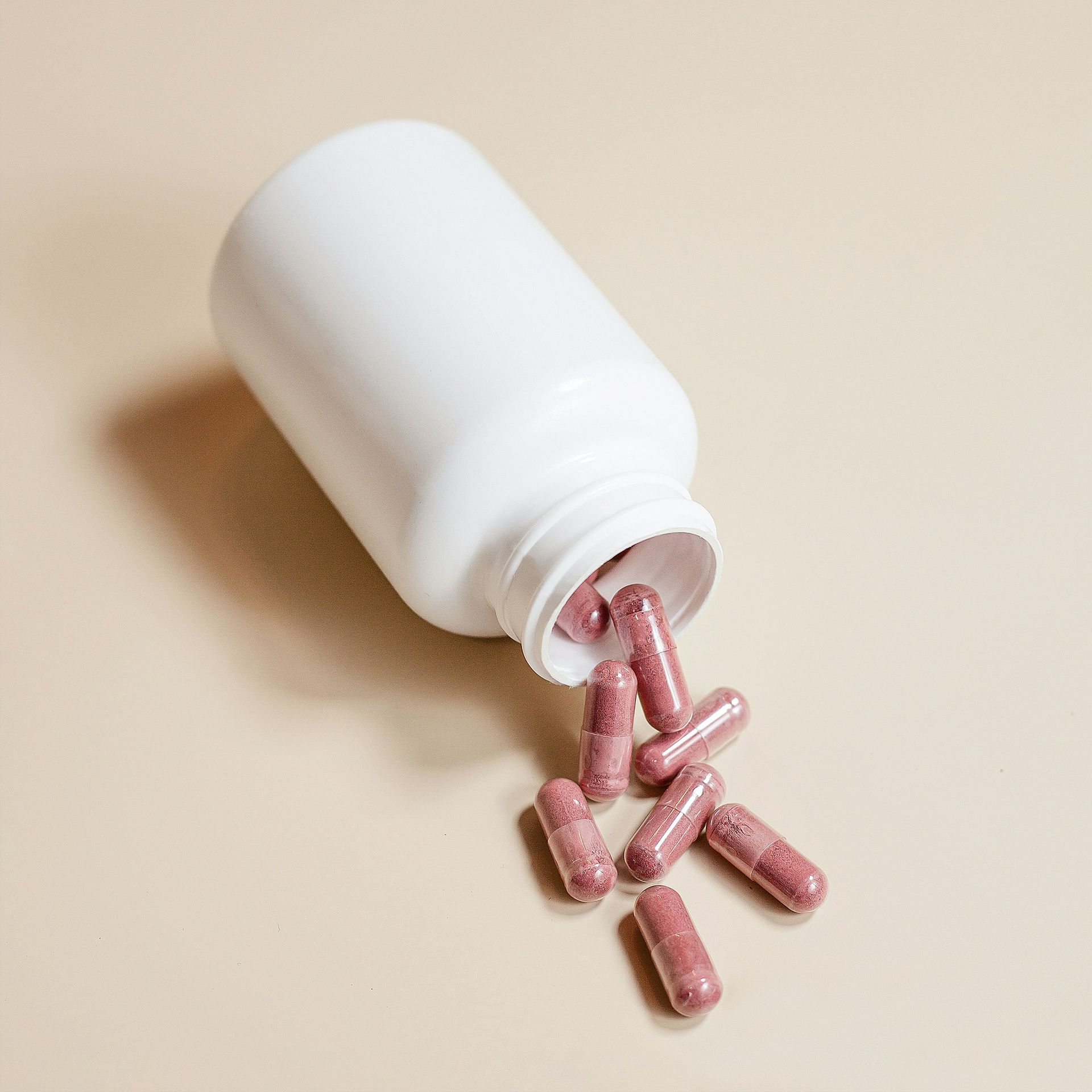
The dosage form also matters. Capsules, tablets, powders, liquids, gummies, and functional foods expose the active ingredient to different processing conditions and release environments. NIH notes that dietary supplements are available in several forms, including tablets, capsules, gummies, powders, drinks, and energy bars; from a development perspective, each format creates different requirements for stability, disintegration, dissolution, and consumer use.
Formulation design can either support or limit bioavailability. Lipid-based systems may support fat-soluble ingredients, protective encapsulation may improve stability of sensitive compounds, and controlled release strategies may influence when and where an ingredient becomes available. At the same time, excipients, coatings, tablet hardness, and the surrounding formulation matrix can affect how efficiently an ingredient is released and absorbed.
Another important factor is interaction. Some nutrients support each other, while others compete for absorption or are affected by food components. The bioavailability of micronutrients is influenced by dietary factors, including the nutrient form, the food matrix, and the presence of antagonists that can limit absorption. This is especially relevant for multi-ingredient supplements, where combining many active substances does not automatically create a more effective product.
Bioavailability is also linked to product quality and regulatory readiness. A supplement must be developed with clear specifications for identity, purity, strength, and composition, especially when active ingredient performance is central to the product concept. In the United States, dietary supplement current good manufacturing practice rules require manufacturers to establish product specifications for identity, purity, strength, and composition.
For companies, this means that bioavailability should be considered early in product development rather than after formulation is complete. Raw material selection, dose justification, delivery format, stability testing, compatibility studies, and analytical verification all contribute to whether a supplement can deliver meaningful biological value. A scientifically strong formulation is not defined by the longest ingredient list, but by the suitability of each ingredient for its intended function.
This is particularly important for modern supplement categories such as plant extracts, polyphenols, probiotics, omega fatty acids, peptides, minerals, and personalized nutrition concepts. Many of these ingredients are sensitive to heat, oxygen, humidity, pH, or digestive degradation. Without appropriate formulation strategies, their declared content may not translate into reliable biological availability.
In summary, bioavailability is a central factor in supplement effectiveness. It connects ingredient science, formulation technology, quality control, and consumer relevance. Companies that evaluate absorption, stability, compatibility, and delivery from the beginning create supplements that are not only well-formulated on paper, but more likely to perform under real conditions.