


16. Dezember 2025
Fähzan Ahmad • 16. Dezember 2025
How weak upstream data turns CPNP into a regulatory trap instead of a safeguard.

The Cosmetic Products Notification Portal (CPNP) is mandatory for placing a cosmetic product on the EU market. It is often misunderstood as an approval step. It is not. CPNP is a notification system, and its legal strength depends entirely on the quality and consistency of the underlying documentation—not on the act of submission itself.
Under Regulation (EC) No 1223/2009, the Responsible Person must notify the product before placing it on the market, providing formulation data, labeling, CPSR confirmation, and presence of specific substances (e.g. CMRs, nanomaterials) : Authorities do not validate the data at submission. They assume it is correct—until it is challenged. This is where most failures occur. CPNP entries are frequently created in isolation from the Product
Information File (PIF). Discrepancies between:
- notified formulation vs. manufactured formulation
- CPNP function/category vs. claims on pack
- allergen declarations vs. IFRA/SDS data
- nanomaterial flags vs. real particle characteristics
- are not caught at upload—but are immediately exposed during inspections or complaints.
Another critical weakness is claim-function mismatch. The product category selected in CPNP must align with the product’s primary cosmetic function. Overstated claims (e.g. barrier repair, microbiome modulation, anti-inflammatory effects) can implicitly shift a product toward a borderline classification, even if the formulation remains cosmetic [EU Commission, Borderline Products Manual, https://health.ec.europa.eu/publications/manual-borderline-and-classification-cosmetic-products_en
]. CPNP data becomes evidence in these assessments.
Nanomaterials represent a high-risk area. Incorrect or missing notification—particle size, coating, solubility—can invalidate market access regardless of CPSR completeness. Authorities treat nanomaterial errors as systemic compliance failures, not clerical mistakes [European Commission, Nanomaterials in Cosmetics, https://health.ec.europa.eu/system/files/2016-11/cosmetics_nanomaterials_en.pdf
].
Operationally, CPNP is also a post-market surveillance tool. Poison centres and authorities rely on CPNP data during incident investigations. Inaccurate composition or outdated formulations increase liability exposure, because the portal record is considered the official product identity at the time of market placement [European Commission, CPNP Guidance, https://single-market-economy.ec.europa.eu/sectors/cosmetics/cosmetic-products-specific-topics/cpnp_en
].
The strategic mistake is treating CPNP as an administrative afterthought. In reality:
CPNP reflects your regulatory position
The PIF defends it
The CPSR justifies it
If these three are not synchronized, the weakest link defines the outcome.
At Makrolife Biotech, CPNP registration is handled as the final convergence point of CPSR logic, PIF structure, claims positioning, and formulation reality. We validate internal consistency before notification—because after submission, inconsistencies are no longer internal issues; they are regulatory ones.
In EU cosmetics compliance, CPNP is not a gatekeeper.
It is a mirror—and regulators decide what they see.
If you want your CPNP entry to survive scrutiny, not just upload successfully:
📩 info@makrolife-biotech.com
🌐 makrolife-biotech.com

How ingredient sourcing, cross-contamination control, and safety evaluation help protect sensitive consumers

How formulation design, ingredient form, dosage, and delivery systems influence whether nutrients actually reach the body

How effective antimicrobial protection supports product stability without compromising the consumer’s skin experience

How physical, chemical, and microbiological stability define product quality, safety, and market readiness
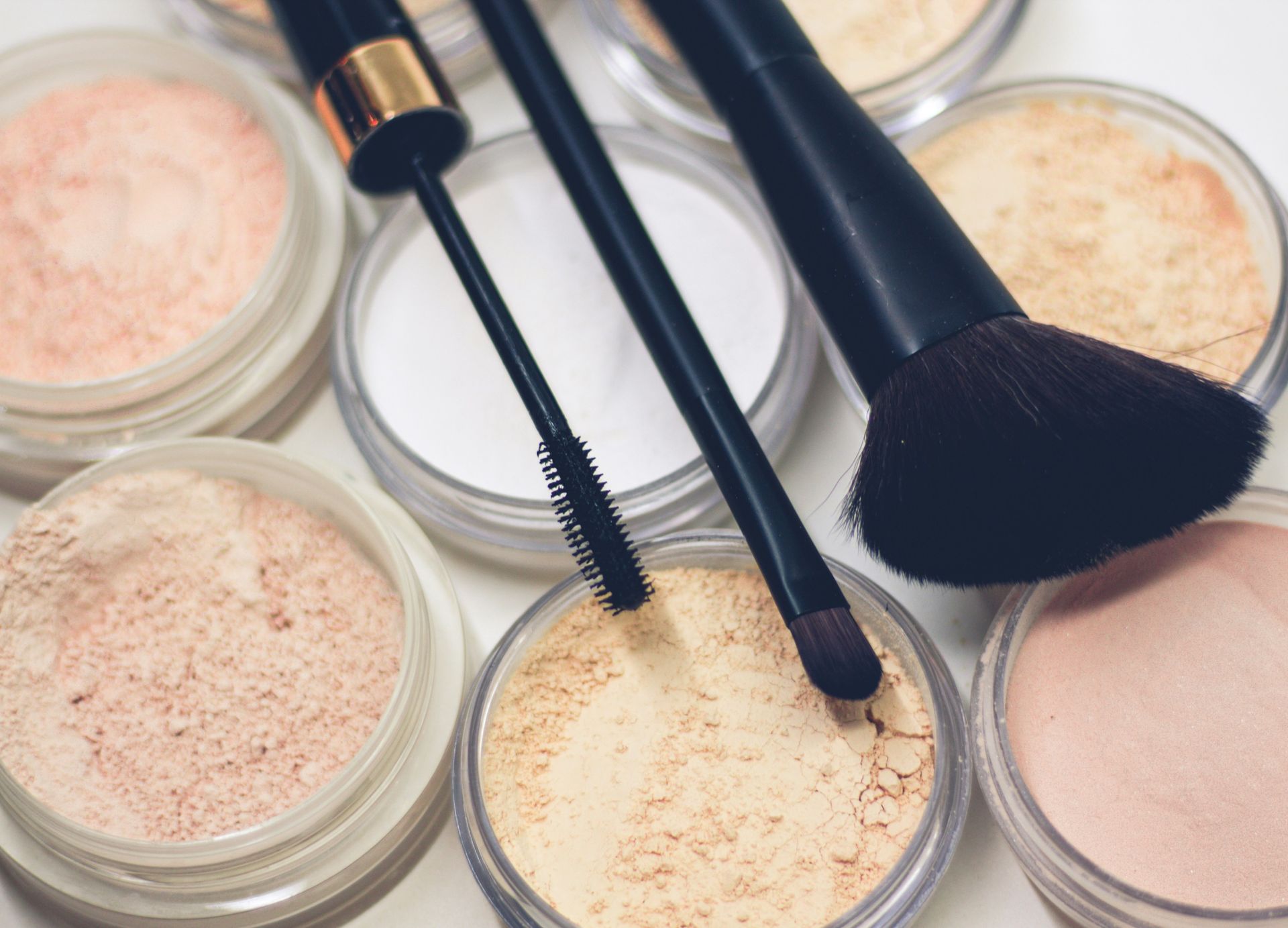
CPNP notification helps cosmetic brands prepare products correctly for the EU market and reduce regulatory risks before selling.
Die CPNP-Notifizierung hilft Kosmetikmarken, Produkte korrekt für den EU-Markt vorzubereiten und regulatorische Risiken vor der Markteinführung zu reduzieren.

Eine Produktinformationsdatei hilft Kosmetikmarken, Sicherheit, Qualität und regulatorische Bereitschaft vor der Markteinführung nachzuweisen.
A Product Information File helps cosmetic brands prove safety, quality and regulatory readiness before placing products on the market.

How biotechnology-driven skincare ingredients are transforming skin repair, anti-aging support, and cosmetic innovation.

How science-led ingredients for cellular energy, mitochondrial support, and healthy aging are shaping the future of wellness supplements.