


16. Dezember 2025
Fähzan Ahmad • 16. Dezember 2025
Why physicochemical stability does not guarantee biological stability—and how functional drift emerges long before products “fail.”

Product stability is still largely assessed through visual, chemical, and microbiological endpoints. While these parameters are necessary, they are no longer sufficient. A formulation can remain within specification—unchanged color, pH, viscosity, assay content—while its biological activity degrades or shifts in clinically relevant ways. The missing layer is cellular stress-response testing under real aging conditions.
Heat, light, and time do not merely affect shelf appearance; they restructure molecular interactions within formulations. Oxidation, isomerization, excipient breakdown, and micro-aggregation can subtly alter how compounds interact with immune and epithelial cells, even when HPLC profiles appear stable.
Cell-based assays reveal this functional drift. Products exposed to accelerated aging often show altered cytokine modulation, increased oxidative stress signaling, or reduced viability margins, despite passing conventional stability criteria. These shifts are particularly pronounced in formulations containing polyphenols, lipids, proteins, or complex botanical extracts, where degradation products can actively stimulate or suppress immune pathways. Critically, biological degradation is non-linear. A product may remain biologically stable for months, then cross a threshold where immune responses change abruptly—well before the labeled expiration date. Single end-of-shelf tests miss this transition. Time-resolved cellular profiling identifies when functional performance begins to diverge, not merely when it collapses.
For development teams, this reframes stability testing as a performance validation tool, not a compliance checkbox. By mapping cytokine patterns, stress markers, and viability across controlled heat/light/time exposures, formulations can be optimized for biological robustness, not just chemical endurance. Adjustments in antioxidant systems, carrier matrices, or excipient ratios can stabilize immune responses without reformulating the active itself. The regulatory implications are material. Claims tied to duration—“long-lasting,” “sustained,” “stable efficacy”—become vulnerable if biological performance is assumed rather than demonstrated. Functional stability data strengthens claim defensibility by showing that cellular effects remain consistent throughout the product’s intended lifecycle, aligning with increasing expectations for mechanistic plausibility in substantiation.
At Makrolife Biotech, stability stress testing extends beyond chemistry. We combine accelerated aging protocols with immune-cell and epithelial-cell profiling, generating comparative performance curves that show when and how biological responses change. This allows clients to intervene early—before instability becomes a market or regulatory liability.
In advanced formulation science, stability is not about how long a product looks the same.
It is about how long it behaves the same—biologically.
If you want to verify whether your product’s cellular performance survives real-world stress:
📩 info@makrolife-biotech.com
🌐 makrolife-biotech.com

How ingredient sourcing, cross-contamination control, and safety evaluation help protect sensitive consumers
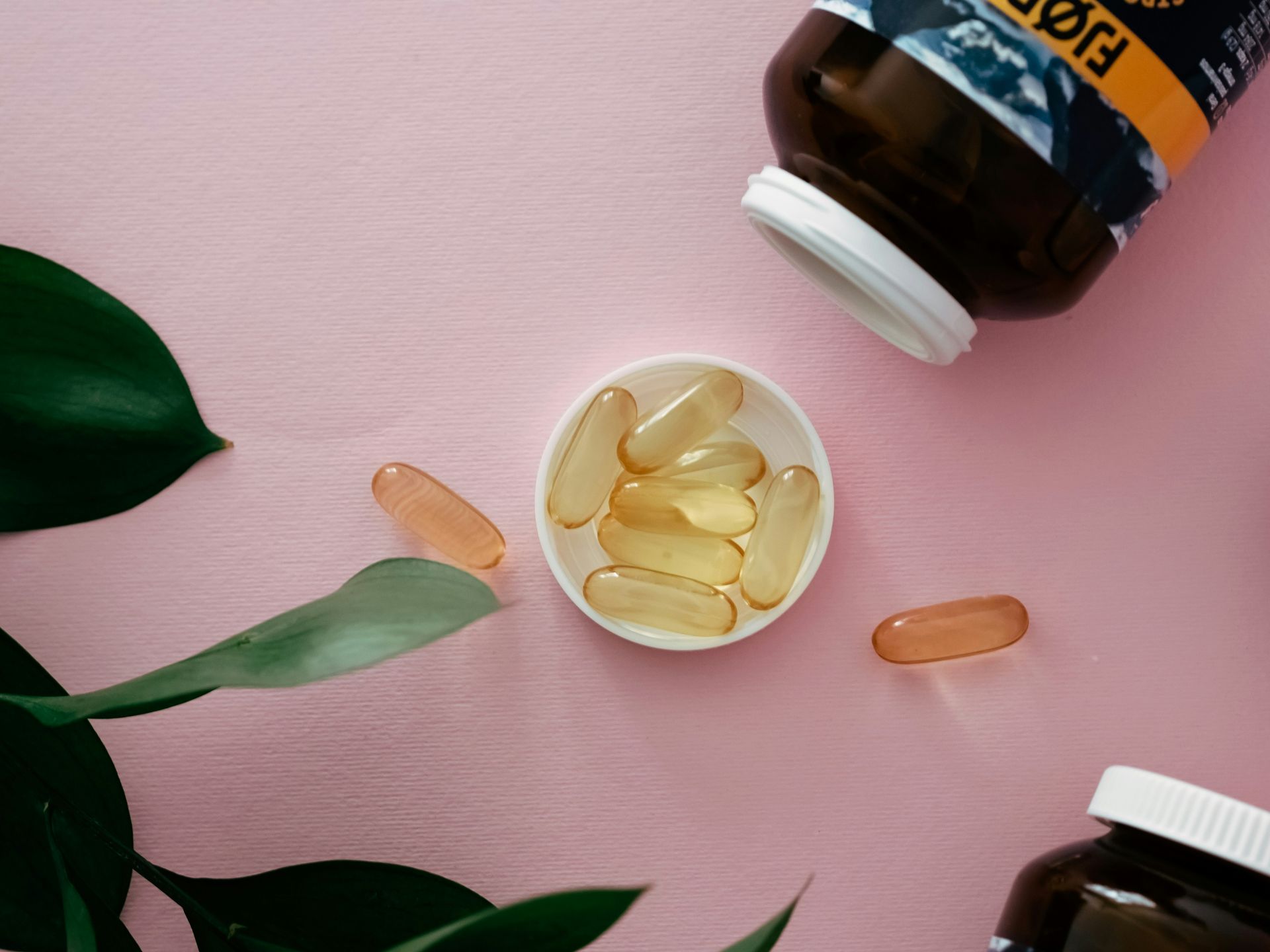
How formulation design, ingredient form, dosage, and delivery systems influence whether nutrients actually reach the body

How effective antimicrobial protection supports product stability without compromising the consumer’s skin experience

How physical, chemical, and microbiological stability define product quality, safety, and market readiness

CPNP notification helps cosmetic brands prepare products correctly for the EU market and reduce regulatory risks before selling.
Die CPNP-Notifizierung hilft Kosmetikmarken, Produkte korrekt für den EU-Markt vorzubereiten und regulatorische Risiken vor der Markteinführung zu reduzieren.

Eine Produktinformationsdatei hilft Kosmetikmarken, Sicherheit, Qualität und regulatorische Bereitschaft vor der Markteinführung nachzuweisen.
A Product Information File helps cosmetic brands prove safety, quality and regulatory readiness before placing products on the market.

How biotechnology-driven skincare ingredients are transforming skin repair, anti-aging support, and cosmetic innovation.

How science-led ingredients for cellular energy, mitochondrial support, and healthy aging are shaping the future of wellness supplements.